Undertow / Contre ; Courant
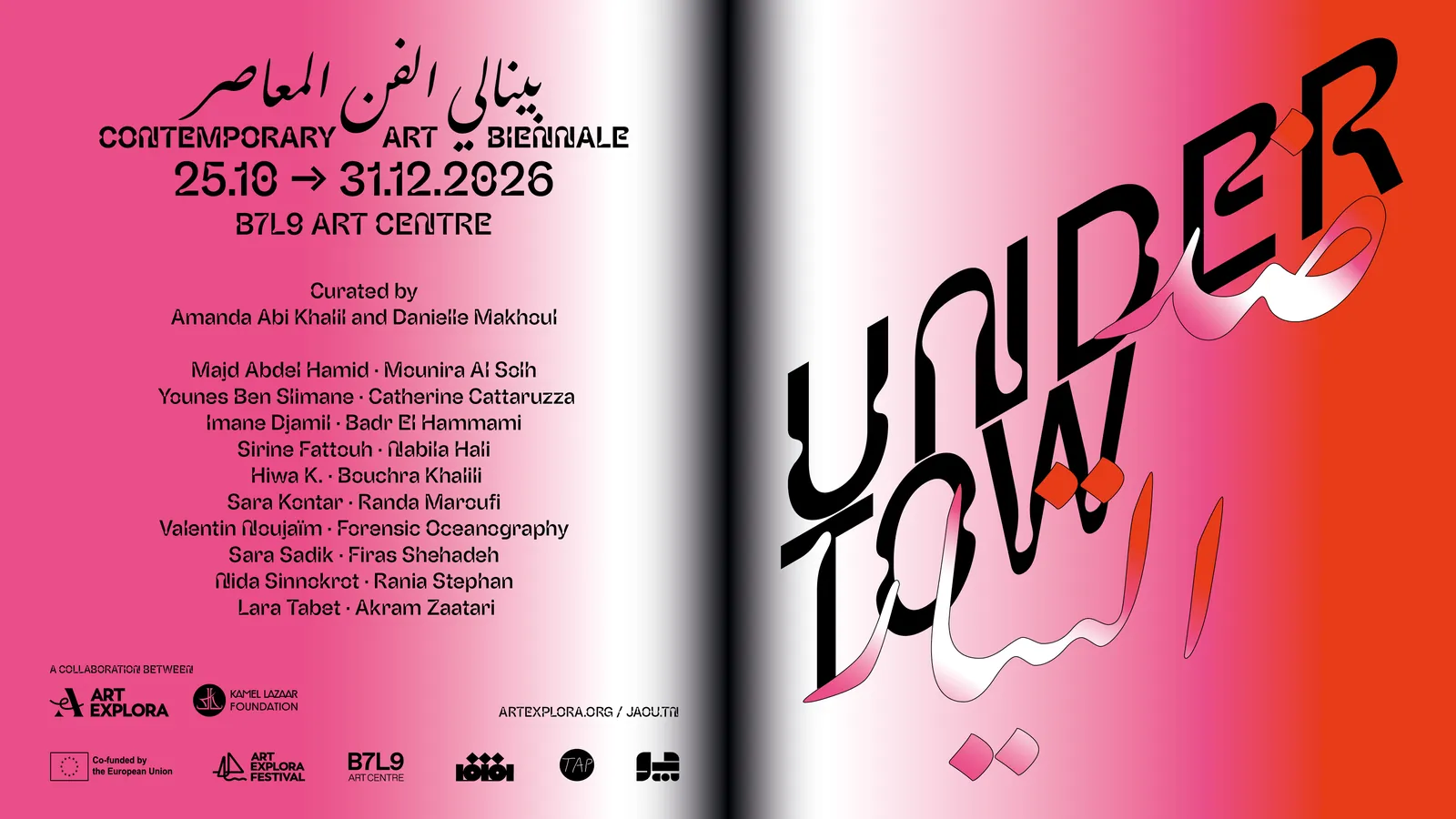
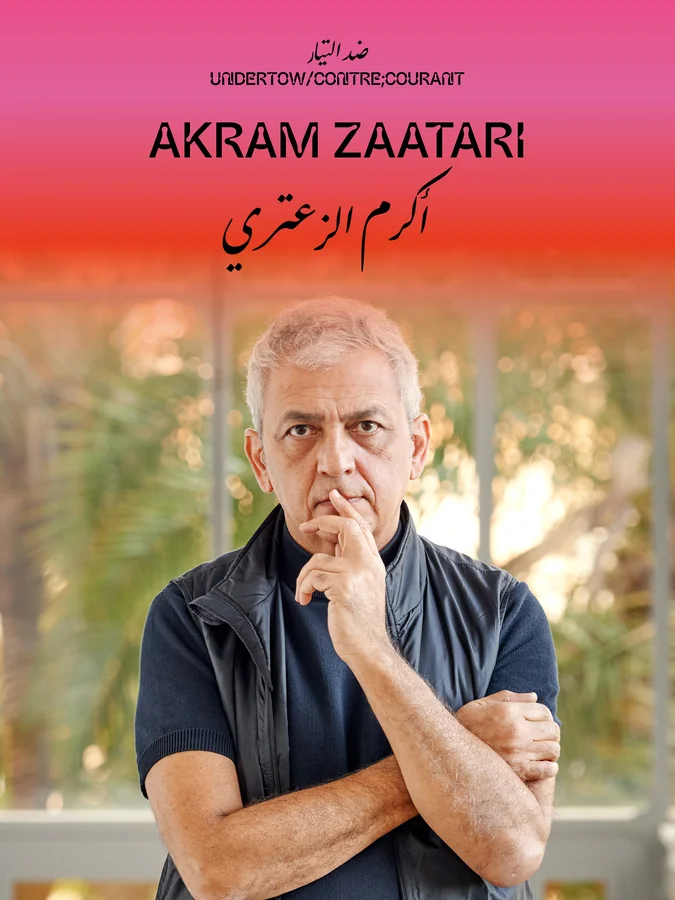
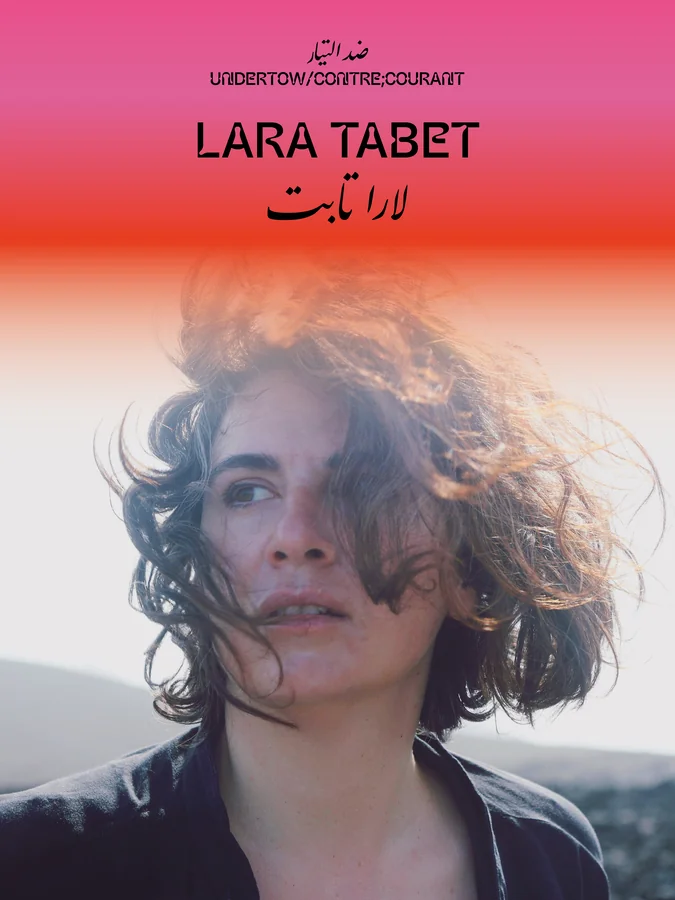
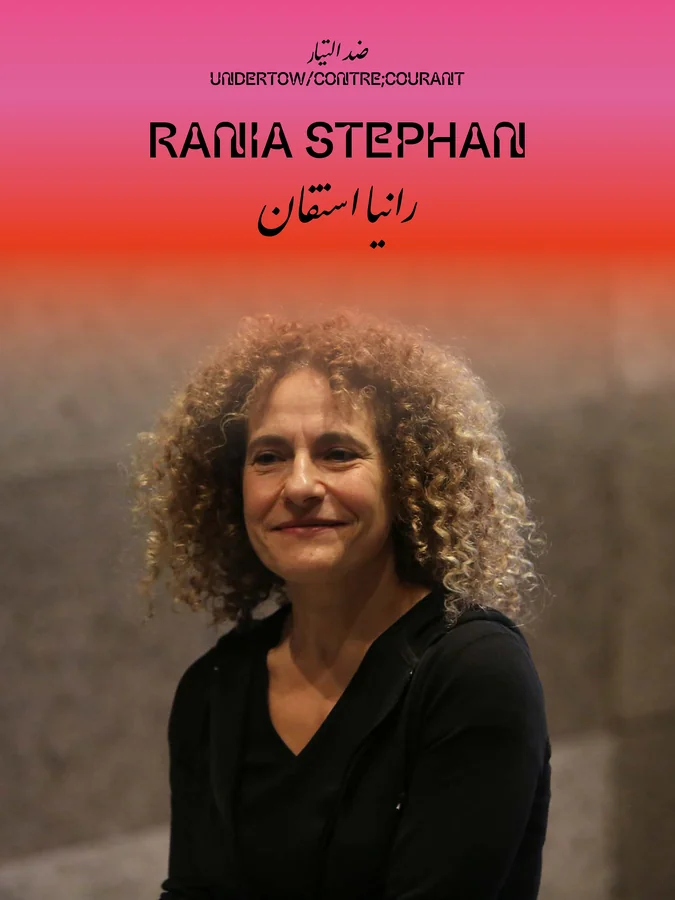
Artists: Lorenzo Pezzani, Charles Heller, Younes Ben Slimane, Majd Abdel Hamid, Mounira Al Solh, Catherine Cattaruzza, Imane Djamil, Badr El Hammami, Sirine Fattouh, Nabila Halim, Hiwa K., Bouchra Khalili, Sara Kontar, Randa Maroufi, Valentin Noujaïm, Sara Sadik, Firas Shehadeh, Nida Sinnokrot, Rania Stephan, Lara Tabet, Akram Zaatari
An undertow is a current below the surface, moving in the opposite direction of the visible current at the surface. While the smoothest sail follows the flow, undertows, as well as rip tides and rip currents, represent possible dangers for the journey.
How do we address the Mediterranean Sea and its surrounding regions without navigating the depths of the odysseys that have shaped it? The Mediterranean has always been a route of passage and human experiences as well as a channel for expansion, colonization, migration, and exile. Its waters have witnessed the struggles of countless individuals forced to leave their homes behind in search of refuge from conflict, war, persecution, and economic hardship. As we navigate the complexities of guest-host relations along its shore, we critically question power, privilege, and responsibility. The Mediterranean Sea is the largest open-air cemetery, where the stories that intertwine with its coastline are ones of survival and resilience.
Guests are invited in by a welcome song (Sirine Fattouh), to witness a multitude of crossing and waiting journeys (Bouchra Khalili, Imane Djamil, Randa Maroufi, Forensic Oceanography), forms of exchanges between loved ones (Badr El Hammami, Nabila Halim), modes of diary and record keeping (Catherine Cattaruzza, Sara Kontar, Majd Abdel Hamid), evidence of power, commerce and historical cultural exchange in the Mediterranean Sea and beyond (Akram Zaatari, Nida Sinnokrot) as well as revelations from the sea itself (Lara Tabet).
Initially conceived for a container pavilion accompanying the itinerant museum boat of the Art Explora Festival, Undertow was experienced by thousands of visitors across Tangier, Athens, and Barcelona between 2024 and 2026. Its presentation at B7L9 in Tunis marks the exhibition’s first iteration within an institutional space. This transition allows the project to expand its spatial, narrative, and temporal dimensions while maintaining the container’s conceptual and physical memory. The exhibition retains a sense of guided movement for the visitor that echoes the original pavilion's constrained yet porous circulation.
The exhibition features We Knew How Beautiful They Were, These Islands, a film programme titled after a work by Younès Ben Slimane. Seven films by Firas Shehade, Hiwa K., Mounira Al Solh, Rania Stephan, Sara Sadik, Valentin Noujaïm and Younès Ben Slimane are presented in a continuous loop.
Credits
This exhibition was commissioned and produced by the Art Explora Foundation as part of the Art Explora Festival, a free, travelling festival that sails the seas and oceans aboard its museum-boat to make art accessible to as many people as possible.
This exhibition travelled throughout the festival’s Mediterranean journey, calling at the following ports: Marseille (France), Barcelona (Spain), Tangier (Morocco), Durrës (Albania) and Athens (Greece).
Adaptation by B7L9
Curators: Amanda Abi Khalil, Danielle Makhoul
Assistant curator: Alexia Pierre
Partner: TAP (Temporary Art Platform)
In collaboration with: Arab Documentary Photography Program (ADPP), an initiative that provides support and mentorship to photographers from across the Arab region, established by The Arab Fund for Arts and Culture in partnership with Magnum Foundation and the Prince Claus Fund.
Artists
Venue
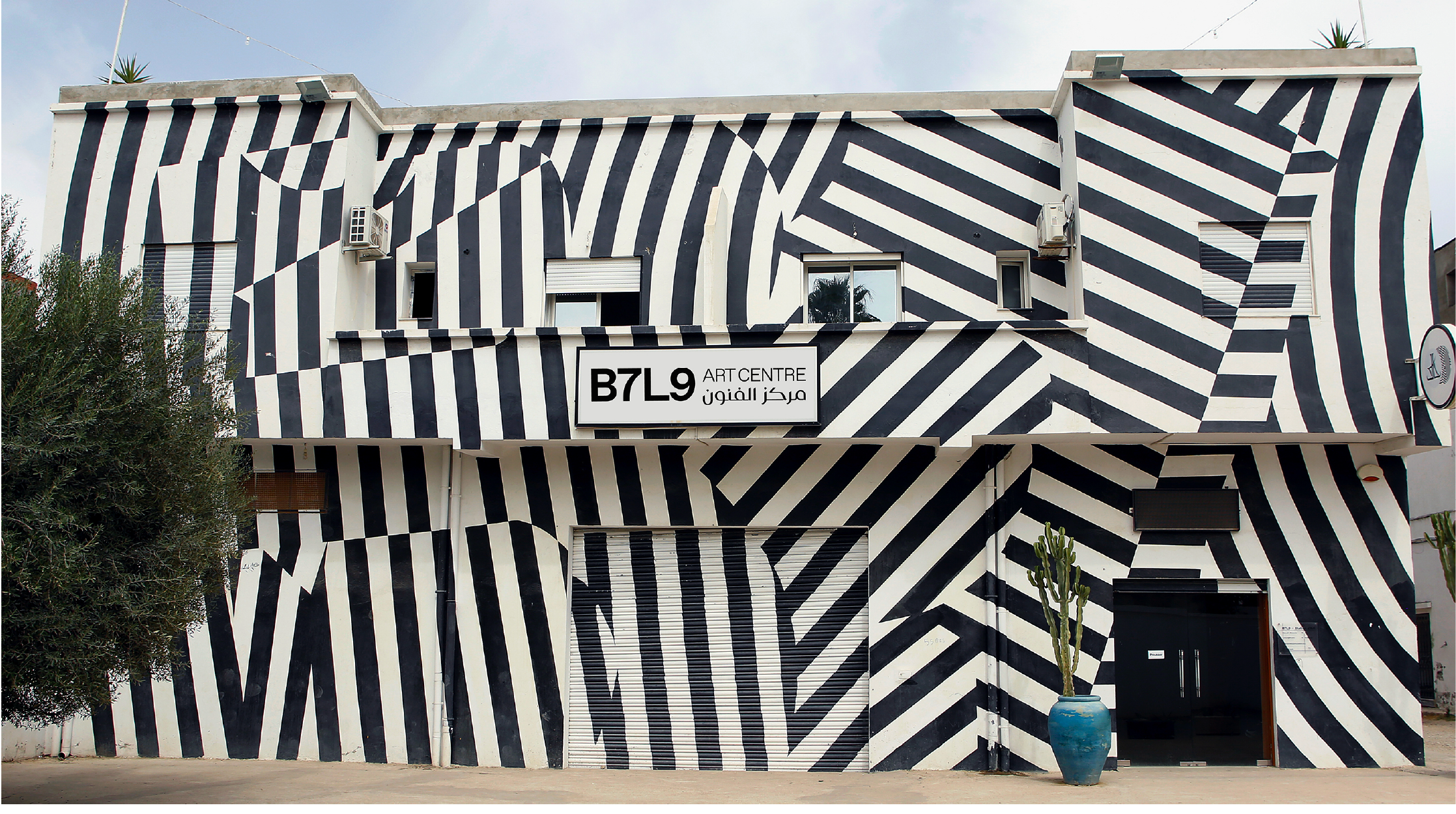
The B7L9, Tunisia's first non-profit contemporary art centre, opened in 2019 in Bhar Lazreg, a lively neighborhood on the outskirts of Tunis. It offers an inclusive annual programme of artistic and cultural events accessible to all. As the Kamel Lazaar Foundation’s first permanent venue, B7L9 plays a key role in advancing the Foundation’s mission to create lasting social impact through art and culture.
Named after the Arabic phonetic rendering of the neighbourhood, the Centre was built for and with its community, providing work and opportunity for locals, and is deeply embedded in daily life. Its façade, co-designed with residents, reinterprets WWI “dazzle camouflage” ships as a symbol of visibility and shared authorship.